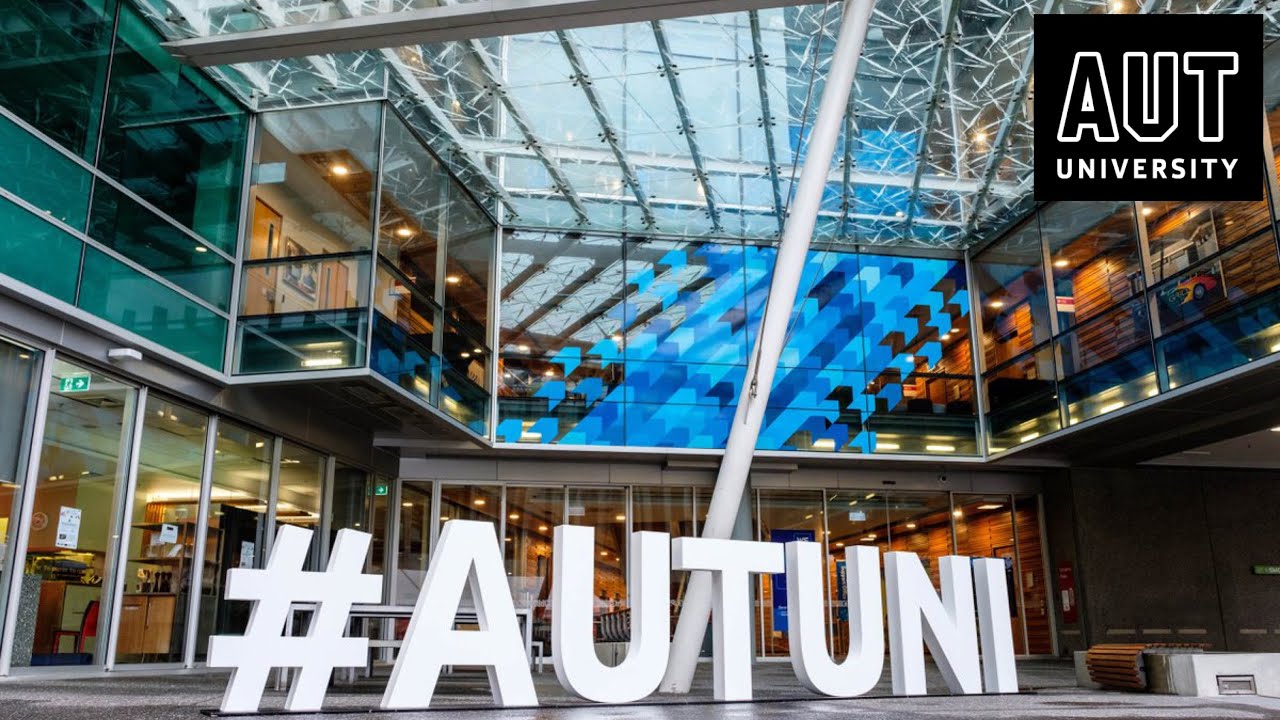

Auckland University of Technology is one of New Zealand’s leading modern universities, recognised for its practical teaching approach and strong connections with industry. Established as a university in 2000, AUT has rapidly developed a reputation for innovation, research impact, and graduate employability.
The university emphasises:
-
Applied and industry-relevant education
-
Research that addresses real-world challenges
-
Strong collaboration with businesses and organisations
-
Technology-driven teaching and learning
-
Student-centred learning environment
-
Global outlook and international partnerships
AUT combines academic knowledge with practical experience to prepare students for evolving global careers.
Campuses and Location
AUT operates three main campuses in Auckland:
-
City Campus – Located in central Auckland, close to major businesses and corporate offices
-
North Campus – Known for health sciences, sports, and education facilities
-
South Campus – Focused on community engagement and regional development
Campus facilities include:
-
Modern lecture theatres and digital classrooms
-
Advanced laboratories and simulation centres
-
Engineering and technology workshops
-
Health science clinical training facilities
-
Media and creative industry studios
-
Libraries and digital research resources
-
Student accommodation and recreational facilities
Being located in Auckland provides students with access to New Zealand’s largest job market and diverse industries including finance, technology, healthcare, and tourism.
Academic Programmes
AUT offers a broad range of undergraduate, postgraduate, and doctoral programmes across multiple disciplines.
Major study areas include:
-
Business and economics
-
Engineering and technology
-
Computer and information sciences
-
Health sciences and nursing
-
Sport and recreation
-
Law
-
Design and creative technologies
-
Hospitality and tourism
-
Education and social sciences
-
Communication and media studies
Programmes are structured to integrate theoretical learning with practical application, ensuring students develop both academic knowledge and professional competencies.
Teaching and Learning Approach
AUT is known for its applied learning philosophy. The university places strong emphasis on practical education and real-world experience.
Key features of its teaching model include:
-
Work-integrated learning components in many programmes
-
Industry-based projects and case studies
-
Internships and professional placements
-
Problem-solving and innovation-focused assignments
-
Collaborative and team-based learning
-
Small-group tutorials alongside lectures
-
Continuous assessment and skill development
This approach ensures students graduate with practical skills, professional confidence, and workplace readiness.
Research and Innovation
AUT is an active research university with strong focus on applied research that benefits industry and society.
Research strengths include:
-
Health and biomedical sciences
-
Artificial intelligence and data science
-
Engineering and advanced technologies
-
Sustainable development and environmental studies
-
Business innovation and entrepreneurship
-
Sport performance and rehabilitation
-
Creative technologies and digital media
The university collaborates with industry partners, government agencies, and international institutions to drive innovation and research impact.
Student Support and Campus Life
AUT provides extensive student services to support academic success and personal development.
Support services include:
-
Academic mentoring and learning development
-
Career counselling and employment services
-
Internship and placement support
-
International student support services
-
Wellbeing and counselling services
-
Accommodation assistance
-
Student clubs and organisations
The multicultural environment allows students to interact with peers from around the world, fostering global awareness and networking opportunities.
Industry Connections and Career Focus
AUT maintains strong relationships with employers and industry sectors across New Zealand and internationally.
Career-focused initiatives include:
-
Internship and work placement programmes
-
Industry advisory boards for curriculum development
-
Employer networking events and career expos
-
Professional development workshops
-
Entrepreneurship and innovation support
-
Career readiness and job preparation training
Graduates commonly pursue careers in business management, IT, healthcare, engineering, media, hospitality, law, and public services.